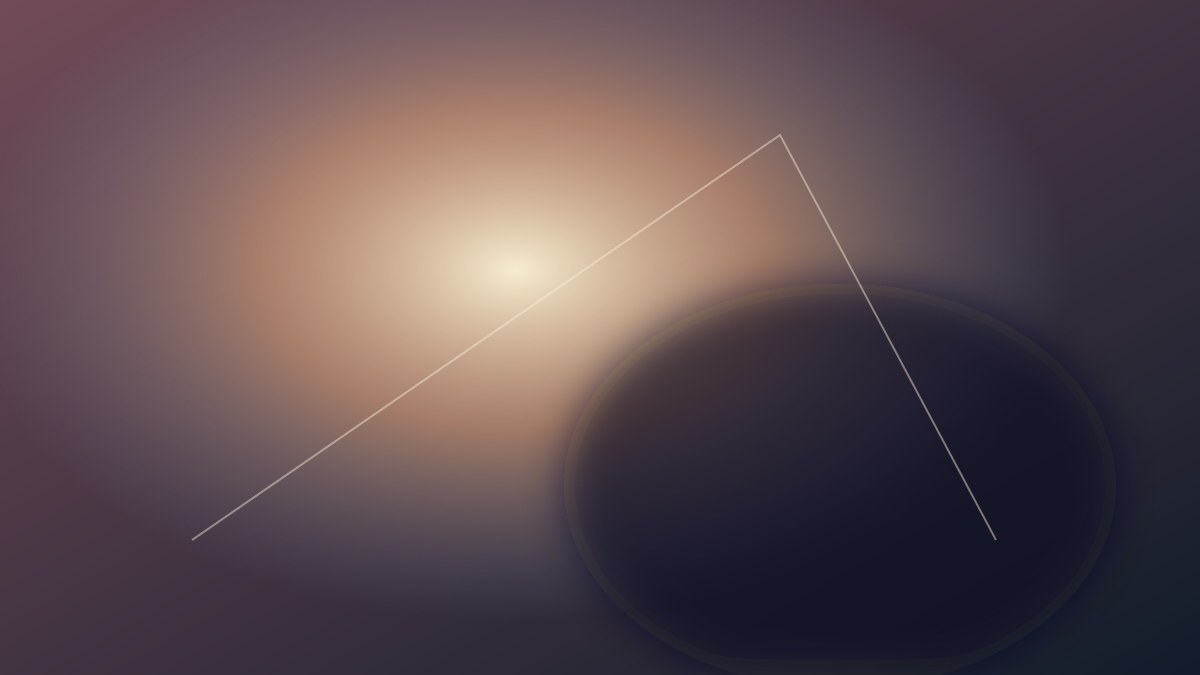
Sometimes I only want to keep the feeling of two colors beside each other, yet I spend half an hour classifying folders before making the first note. The system for managing the notebook has grown larger than the observation it was meant to hold. I want to try something smaller: one page that keeps an image, its origin, and a next step together. This fictional working exercise uses locally generated pictures, so it does not depend on photographs or reference artwork borrowed from another person.
Give the page one question
The question on this page is narrow. How can a warm patch of light create depth inside a cool field without looking like a button? I make two versions, one with concentrated light and another with a softer distribution. Neither needs to become a cover immediately. Keeping both visible gives me an actual comparison instead of asking memory to describe the difference. The page can remain useful even if neither version is chosen for anything beyond this exercise.
Write what the image cannot remember
Pictures alone do not preserve the judgment made while looking at them. I add a specific observation beside each version. The bright area in the first may sit too close to the center and resemble a clickable dot when reduced. The second may have calmer edges but offer less room for text. Those judgments can change. What matters is keeping them attached to the version that prompted them, so they remain testable thoughts instead of floating statements about what makes an image good.
I keep the origin on the same page. For a procedural image, I record how it was generated. For my own photograph, I would keep a date and location. For someone else's work, I would preserve only a permitted reference and its link. Months later, I do not want to guess whether an image can be published or was kept only for private study. A filename does not need an elaborate naming system, but it should connect the file to the note that explains it.
Keep the attempts visible
A notebook has room for versions that did not work. If I preserve only the most attractive result, I lose the path by which the question became more precise. Moving the glow toward a corner may create a better background for a heading while weakening the balance I originally liked. That change is not automatically progress or failure. It may indicate that the purpose has shifted. Writing down the shift helps me decide which question the next page should actually continue.
An image can be useful to a later decision before it has a use of its own.
When I return to the notebook, I review a few pages rather than reorganizing the whole directory. A question that no longer interests me can stay unfinished. If two pages begin to relate, I add a link between them. The structure then grows from use instead of from a prediction about how many categories a future practice will require. I spend less time deciding where an observation belongs and more time noticing whether it has changed since the previous visit.
The next step for this page is simple: reduce both images to the size they would occupy on a phone, then place an actual heading over each. I want to see whether the depth survives that reduction. Whether either picture eventually belongs on the site can wait. An unfinished page leaves room for that observation to happen. It does not need to demand that every small experiment become a finished piece before it is allowed to remain in the notebook.